


How Smart Battery Storage Is Powering the UK's Renewable Energy Future: Inside the POWERBASE Project's Innovative Approach to Grid-Scale Energy Storage Solutions
How Smart Battery Storage Is Powering the UK's Renewable Energy Future: Inside the POWERBASE Project's Innovative Approach to Grid-Scale Energy Storage Solutions
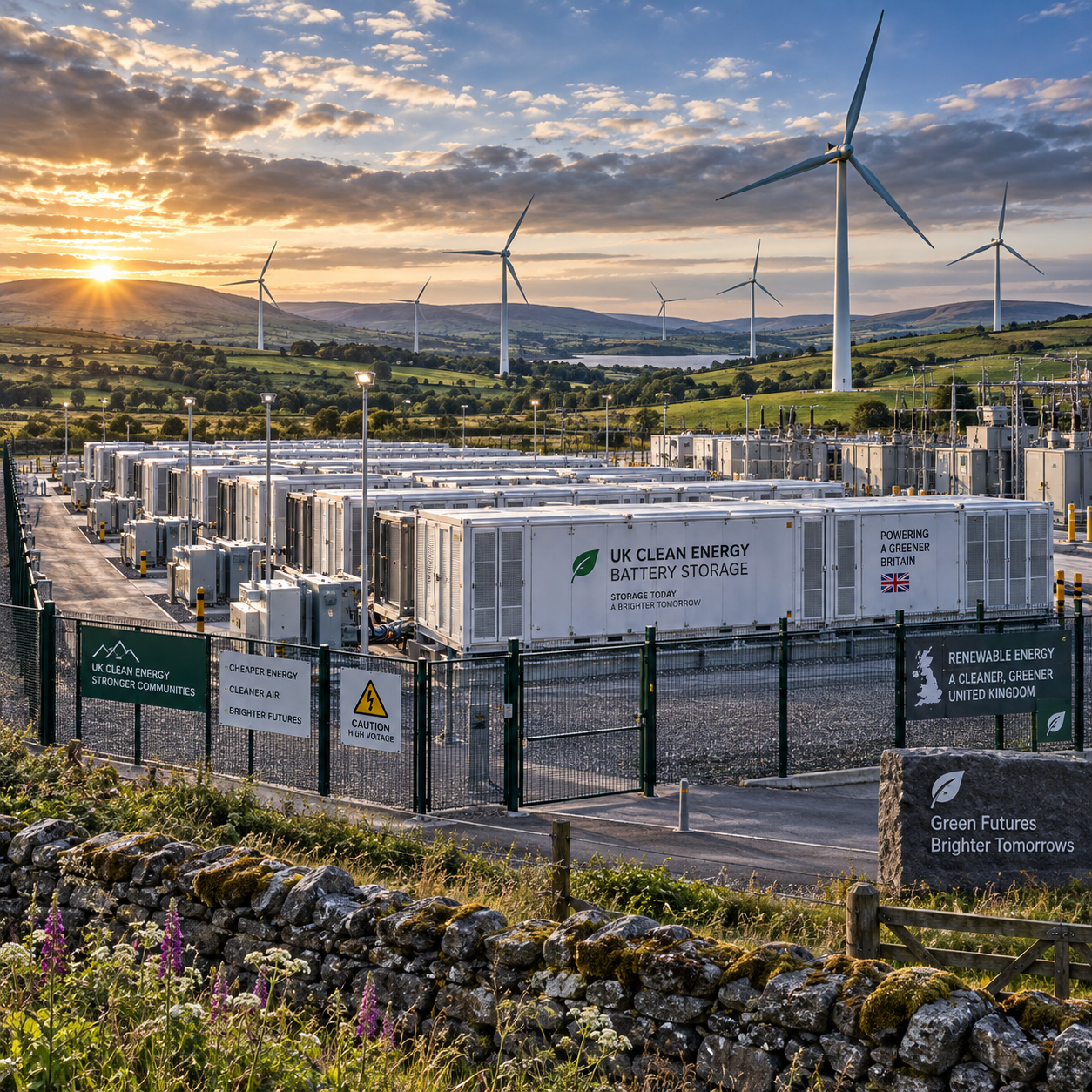
I've spent a good chunk of the last few years tracking how the UK's energy landscape is shifting, and if there's one thing that's become obvious, it's this: we're brilliant at generating renewable power, but we're still catching up on knowing what to do with it when nobody needs it right that second. Offshore wind farms off the Scottish coast can be churning out gigawatts at 3am while most of the country sleeps, and then on a still, cloudy afternoon, solar panels barely trickle. This mismatch is exactly why smart battery storage has become the technology everyone in the sector is talking about. It's the missing piece that lets us actually use the clean power we're generating rather than wasting it. And leading the charge on the research side is the POWERBASE Project, a European initiative that's quietly reshaping how grid-scale storage gets designed, built, and deployed heading into 2026 and beyond.
The UK's Renewable Energy Challenge—Why Storage Matters
The UK now has one of the largest offshore wind fleets in the world, and solar capacity keeps climbing year after year. That's the good news. The less glamorous reality is that National Grid regularly has to pay wind farm operators to switch off turbines because there's simply too much power and nowhere for it to go—a costly practice known as curtailment that runs into hundreds of millions of pounds annually. Meanwhile, on calm winter evenings when demand spikes, we're still leaning on gas-fired plants to fill the gap. With the 2030 clean power targets looming, this imbalance isn't just an inconvenience; it's a genuine obstacle to net zero.
The Intermittency Problem Explained
Wind and solar are, by nature, weather-dependent. Wind speeds fluctuate hour to hour, sunlight varies by season, and demand curves rarely line up neatly with either. Add in daily patterns—everyone switching on kettles and heating around the same time each evening—and you get a grid that's constantly trying to balance supply and demand in real time. Without storage acting as a buffer, that balancing act becomes increasingly fragile as more renewables come online.
What Is Smart Battery Storage?
Smart battery storage isn't just a big box of batteries sitting next to a substation. It's a system that uses AI-driven software to predict when the grid will need power, when it has a surplus, and how to charge or discharge accordingly—often making decisions in milliseconds. Unlike older, static battery installations, these systems respond dynamically to price signals, weather forecasts, and grid frequency data, essentially acting as a highly responsive shock absorber for the entire network.
Key Components of Grid-Scale Battery Systems
Most utility-scale systems still rely on lithium-ion chemistry, though emerging alternatives like sodium-ion and flow batteries are gaining traction for specific use cases. Beyond the cells themselves, you need sophisticated inverters to convert stored DC power into usable AC, energy management software to orchestrate charge cycles, and robust safety systems—thermal monitoring, fire suppression, and fail-safes—to keep everything operating reliably at scale.
Inside the POWERBASE Project's Innovative Approach
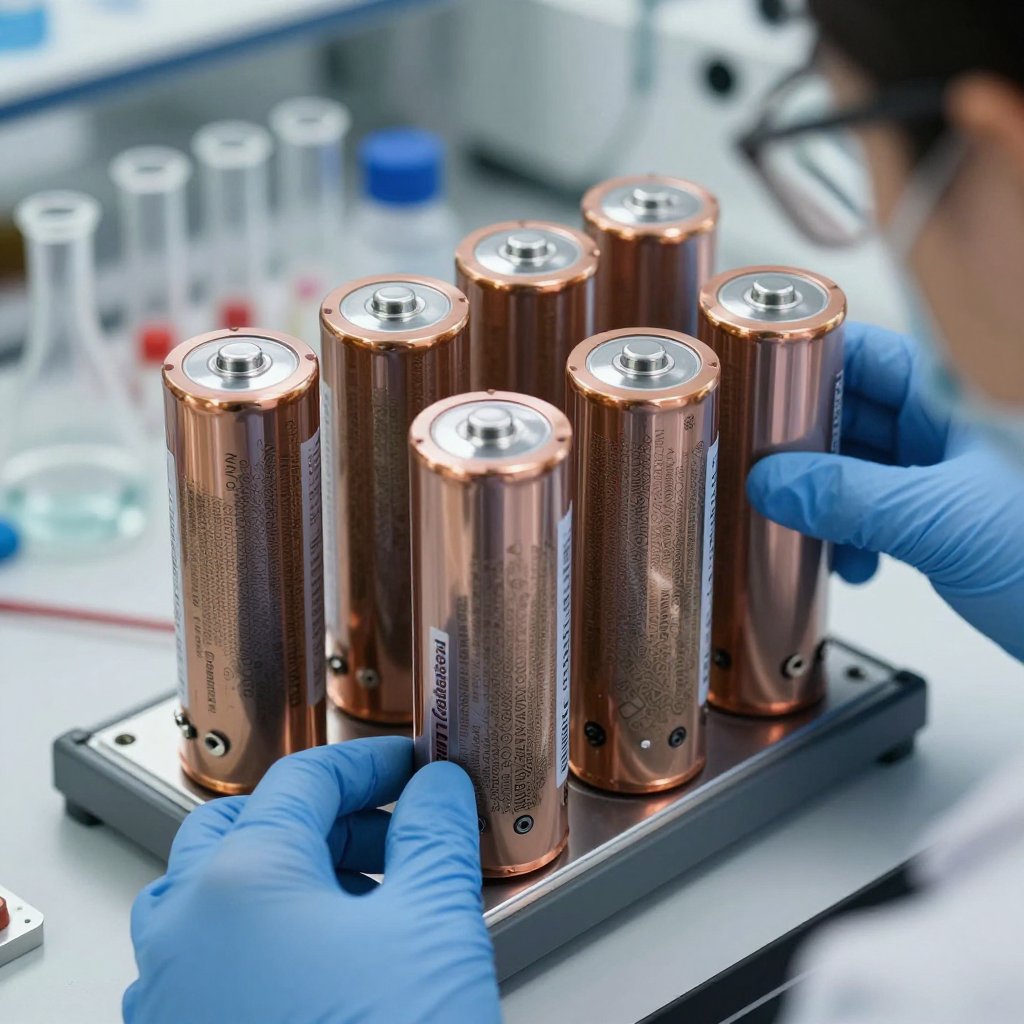
This is where things get genuinely interesting from a research standpoint. The POWERBASE Project is a European collaborative effort focused on pushing the boundaries of what grid-scale battery storage can achieve, particularly around efficiency, longevity, and cost-effectiveness. Rather than tinkering at the margins, the project dives deep into advanced materials science—exploring new electrode compositions, improved electrolytes, and manufacturing techniques that reduce degradation over thousands of charge cycles.
What sets POWERBASE apart is its systems-level thinking. It's not just about building a better battery cell in isolation; it's about how that cell integrates with power electronics, thermal management, and grid software to function reliably at scale. Readers interested in the technical research and pilot deployments can explore the project's full scope at https://powerbase-project.eu/, where ongoing developments in battery chemistry and grid integration are documented in detail.
Technical Innovations Driving Efficiency Gains
Some of the most promising advances coming out of this kind of research include higher energy density cells that store more power in a smaller footprint, faster charge-discharge cycling that improves responsiveness during grid stress events, and manufacturing refinements that meaningfully slow battery degradation. Collectively, these gains translate into storage systems that last longer, cost less per kilowatt-hour over their lifetime, and respond more effectively when the grid needs them most.
How Smart Storage Benefits the UK Grid
The practical upshot for the UK is significant. Smart storage reduces our dependence on fossil-fuel peaker plants that historically fill demand gaps, which in turn lowers both carbon emissions and, over time, consumer energy bills. It also strengthens grid resilience—something that matters a lot more after the extreme weather events we've seen in recent winters, from storms knocking out transmission lines to sudden cold snaps spiking demand. On top of that, battery storage is a natural fit for community energy schemes, letting local generation—say, a neighbourhood solar array—store excess power for evening use rather than exporting it cheaply and buying it back at peak rates.
Economic and Environmental Impact
Industry estimates suggest that scaled-up battery storage could save the UK grid billions in balancing costs over the next decade, while cutting curtailment-related waste substantially. Beyond the direct savings, the sector itself is becoming a genuine job creator—manufacturing, installation, and grid software roles are growing steadily across the country, particularly in regions investing heavily in renewable infrastructure.
Challenges and Considerations for Widespread Adoption
None of this comes without friction, though. Upfront capital costs for grid-scale installations remain steep, and supply chains for critical minerals like lithium and cobalt are still vulnerable to geopolitical disruption. Planning permission for large battery sites can also drag on, particularly when local communities raise concerns about safety or land use. And frankly, much of the UK's grid infrastructure was built for a very different energy era—updating it to handle distributed, bidirectional power flows is its own multi-year undertaking, alongside the regulatory reforms needed to keep pace.
The Road Ahead—UK Storage Trends to Watch in 2026 and Beyond
Looking forward, a few trends stand out. Second-life EV batteries—repurposed from electric vehicles once their automotive capacity dips—are increasingly being used for stationary storage, offering a cheaper, more sustainable option. Long-duration storage technologies, capable of holding power for days rather than hours, are also gaining investment as the industry looks beyond short-term balancing. Virtual power plants, which aggregate thousands of smaller batteries into a single controllable resource, are becoming more common too. And with government incentives increasingly favouring storage alongside generation, private investment in the space looks set to accelerate through 2026 and into the following years.
Projects like POWERBASE aren't just academic exercises—they're laying the technical groundwork that will make all of this commercially viable at scale. As the UK continues its push toward a genuinely renewable grid, smart battery storage isn't a nice-to-have add-on; it's the foundational piece that turns intermittent wind and solar into a dependable, everyday energy source. Get storage right, and net zero stops being an aspiration and starts becoming an engineering reality.